Case Study: Migrating from Thermocouples to RTDs in Pharma Manufacturing
Training Staff for RTD Usage
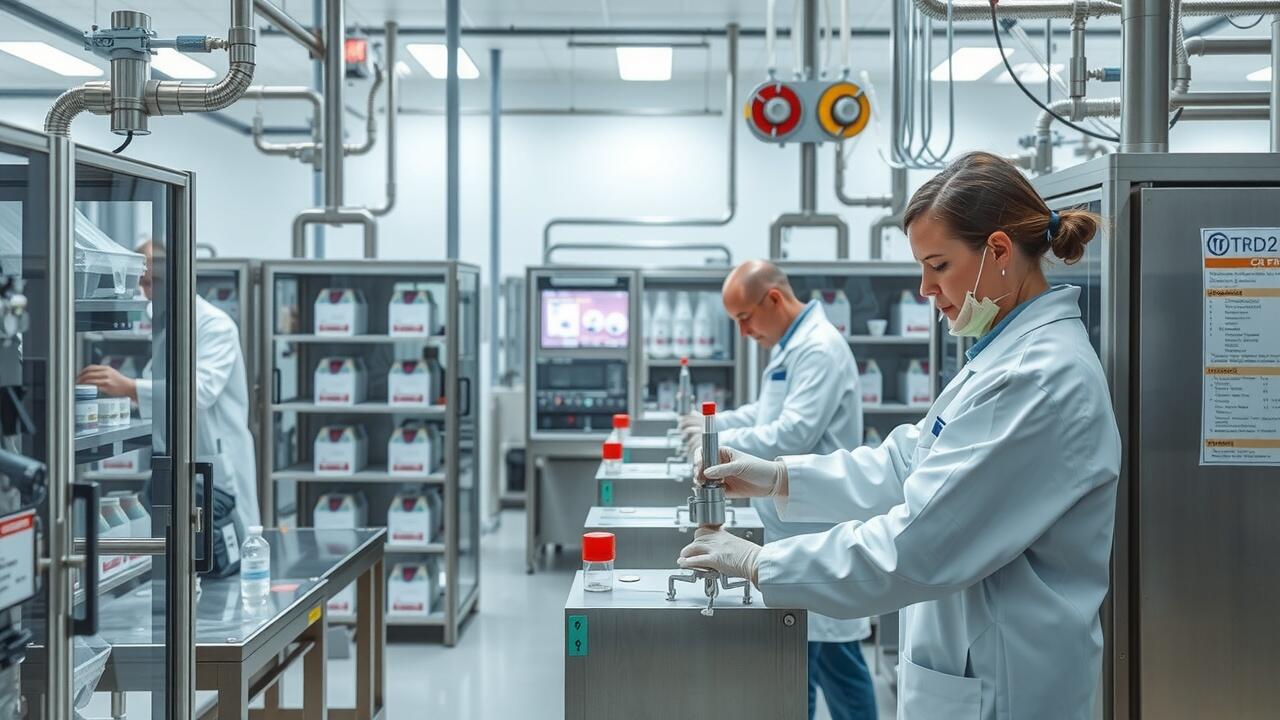
Transitioning from thermocouples to RTDs presents unique challenges, especially in training staff. Understanding how to operate rtd probes efficiently ensures optimal accuracy in temperature monitoring, which is crucial in pharmaceutical production. Many employees may have relied heavily on thermocouples, so providing hands-on training with practical examples and simulations can make a significant difference. A manufacturing plant in Ontario implemented a week-long training program, resulting in a 30% reduction in calibration errors within the first month of switching to RTDs.
Equipping employees with comprehensive knowledge about the benefits and limitations of RTD thermocouples fosters confidence and competence. This includes understanding the different environments in which RTDs excel, including sterile suites and controlled spaces. Using visual aids and interactive sessions encourages engagement and enhances learning retention. Following best practices not only improves operational efficiency but also aligns with industry standards, ensuring compliance throughout the transition. Regular assessments can track knowledge retention and highlight areas needing further focus, ultimately reinforcing the skills necessary for smooth implementation.
Why Is Employee Training Critical During the Transition? (Importance of competence in operation)
Training allows employees to get hands-on experience with RTD probes, ensuring they feel comfortable handling and operating this new technology. Knowledge of the differences between RTD thermocouples and the new devices can prevent common pitfalls during production. Inefficient temperature readings can lead to costly errors in formulations or processing stages. Skilled staff can quickly troubleshoot issues, maintaining consistent compliance with the stringent regulations governing pharmaceutical manufacturing.
Effective training programs should incorporate practical demonstrations and simulations relevant to daily tasks. For example, staff could practice calibrating RTDs under guided conditions. Continuous professional development fosters a culture of competence and responsiveness. Research indicates that companies investing in employee training see a 24% increase in operational efficiency. Creating an engaging training environment encourages team members to share insights and strategies, enhancing their ability to adapt to the new systems seamlessly.
Ensuring Compliance Post-Migration
Maintaining compliance after the shift from thermocouples to RTD probes requires a thorough understanding of the new equipment's specifications and how they align with industry regulations. RTDs generally provide greater accuracy and stability, which can enhance your compliance with strict FDA and EMEA standards. Using RTD systems effectively means ensuring they are calibrated regularly, ideally at intervals of six months to one year, based on your specific operational needs. Companies should incorporate standard operating procedures (SOPs) that outline calibration protocols for both the probes themselves and the monitoring systems integrating them.
Documentation plays a vital role in compliance, especially post-migration. Ensure that all data from your RTD thermocouples is logged consistently for audits and reviews. Establish a robust data management system that captures temperature readings and calibration results, such as deviations from specified limits. This not only serves to satisfy regulatory audits but also boosts your internal quality assurance measures. Having traceable temperature history can demonstrate consistent adherence to Good Manufacturing Practices (GMP), which is crucial for any pharmaceutical facility.
How to Maintain Regulatory Standards with RTDs? (Navigating compliance requirements)
Staying compliant in pharmaceutical manufacturing involves rigorous attention to detail when integrating new temperature measurement tools like RTD probes. One crucial step is ensuring that these probes are calibrated regularly, adhering to standards set by organizations such as the International Society for Pharmaceutical Engineering (ISPE). These regulations require thorough documentation of the calibration process, which should include specific calibration temperatures and the accuracy of the RTD thermocouples used. A recent case study highlighted a mid-sized pharma company that encountered compliance issues after failing to maintain proper calibration logs for their RTD systems, resulting in costly product recalls.
Implementing a robust maintenance schedule can further streamline compliance while enhancing the reliability of RTDs. Providing staff with training focused on regulatory expectations and the specifics of using RTD systems is vital. For instance, incorporating real-time monitoring can aid in quickly identifying any deviations from expected performance, ensuring product integrity remains intact. Aligning with protocols like ISO 9001 not only supports compliance but also boosts overall quality management systems. Adopting these best practices contributes to a smoother transition to RTD systems while navigating the complexities of regulatory demands in pharmaceutical manufacturing.
Monitoring and Maintenance of RTD Systems
Maintaining RTD systems requires a proactive approach to ensure long-term reliability and accuracy. Regular calibration and proper installation of RTD probes are essential for achieving optimal performance in pharmaceutical applications. A thorough maintenance routine might include checking connections, verifying sensor integrity, and recalibrating every six months. Performing these checks helps identify potential issues before they escalate, reducing downtime and protecting product quality.
Training staff on the differences between RTD thermocouples and new RTD technology can foster competency in handling these systems. Familiarity with the specific types and applications of RTD probes ensures that team members can respond promptly during maintenance checks. Adhering to industry standards, such as those outlined by ISO and FDA, guarantees that companies remain compliant while safeguarding their manufacturing processes. Implementing a structured tracking system for calibration schedules and maintenance logs further supports operational efficiency and accountability.
What Are the Best Practices for RTD Calibration? (Establishing a maintenance routine)
Calibrating RTD probes requires a structured routine to ensure the accuracy and reliability of temperature measurements in pharma manufacturing. A frequent recommendation is to perform calibrations at least once every six months, depending on the frequency of use and environmental conditions. For example, a facility operating under stringent regulatory standards may opt to calibrate quarterly. The calibration process should follow industry standards such as the ANSI/ISA-75.02, which provides guidelines for temperature measurement systems. Using a reference thermometer with an accuracy that exceeds that of the RTD thermocouples being tested ensures precision during each calibration session.
Documentation plays a crucial role in establishing a successful calibration routine. Maintaining detailed records of the calibration results for each RTD probe allows for tracking trends over time, which can indicate when a probe needs replacement. Additionally, using automated calibration systems can streamline this process, increasing efficiency while reducing potential human errors. Implementing an alert system to notify technicians when calibration is due can also enhance compliance. Adopting these best practices not only ensures measurement accuracy but also aids in meeting regulatory requirements across the manufacturing process.
- Regularly schedule calibration checks, ideally at least every six months.
- Keep a detailed log of calibration results for each RTD probe.
- Use a reference thermometer that has higher accuracy than the RTDs being calibrated.
- Implement automated calibration systems to enhance efficiency and reduce errors.
- Set up an alert system to remind technicians of upcoming calibration deadlines.
- Review calibration records periodically to identify trends and predict when probes may need replacement.
- Stay updated on industry standards and practices to ensure compliance and maintain measurement accuracy.
Real-World Examples of Successful Migration
Several pharmaceutical companies have successfully transitioned from thermocouples to RTD probes, reaping significant benefits along the way. One notable case is a leading Canadian biopharma manufacturer that reported a 25% increase in measurement accuracy after implementing RTDs. Their precision in temperature regulation during drug formulation improved compliance with stringent regulatory standards, showcasing the reliability of RTD thermocouples in a manufacturing setting.
Another example involves a small biotech firm that integrated RTD probes into their cold storage systems. This change not only enhanced monitoring capabilities but also reduced maintenance costs by 15% over a year. Employees noted that the shift to RTDs minimized downtime during critical production phases, underscoring the importance of staff training tailored to operate these advanced systems effectively. Sharing insights from these transitions can provide actionable strategies for other companies contemplating a similar migration.
How Have Other Pharma Companies Benefited from Switching to RTDs? (Case studies and insights)
Several pharmaceutical companies have reported significant improvements after transitioning from thermocouples to RTD probes. For instance, one leading manufacturer noted a 30% increase in temperature measurement accuracy within their sterile environments. With precise readings, they could reduce product spoilage and enhance compliance with Health Canada’s strict regulations. Additionally, the implementation of RTD thermocouples led to a more streamlined calibration process, reducing downtime during routine checks and maintenance.
Another notable example involved a firm that produced biologics. Following their switch to RTD systems, the company experienced a 25% decrease in variability during critical phases of production. Staff quickly adapted to the new technology through targeted training sessions focused on the operation and benefits of RTDs. This swift transition not only improved overall product quality but also affected the company's bottom line positively by achieving higher yields and reducing waste.
FAQS
What are RTDs and why are they used in pharma manufacturing?
RTDs, or Resistance Temperature Detectors, are temperature sensors that provide accurate and stable measurements, making them ideal for critical processes in pharma manufacturing where precision is key.
What makes training staff for RTD usage so important?
Employee training is crucial because it ensures that staff are competent in operating and maintaining RTDs, which helps prevent errors that could impact product quality and safety.
How can we ensure compliance with regulatory standards when transitioning to RTDs?
To maintain compliance, it’s essential to understand the specific regulatory requirements for temperature measurement and to establish clear protocols for RTD usage, documentation, and calibrations.
What are some best practices for calibrating RTDs?
Best practices include regular calibration schedules, using certified calibration equipment, and documenting all calibration results to maintain traceability and compliance with industry standards.
Can you share some insights on how other pharma companies have benefited from switching to RTDs?
Absolutely! Many companies have reported improved accuracy in temperature monitoring, reduced maintenance costs, and increased overall efficiency in their processes after migrating to RTDs.